Is Private Label Streetwear Manufacturing the Right Path for Premium Streetwear Brands?
Many independent brands with real traction hit a wall when their product ambition outpaces their factory's discipline. The cheapest quote on paper rarely translates to the cheapest outcome when sample-to-bulk inconsistency destroys a launch calendar. For established streetwear brands, the decision to pursue custom private manufacturing is not about finding someone to sew garments; it is about building a repeatable production system that protects brand equity, profit margins, and consumer trust.
When a brand scales, the complexities of custom streetwear development multiply exponentially. What worked for a limited run of simple graphic tees will quickly break down when a collection demands heavyweight fabrics, precise acid washes, and exact silhouette control. A strong sample can hide a weak production system, but the reality of the supply chain always surfaces during bulk manufacturing. The question for procurement teams and creative directors is no longer just how to get a product made, but how to ensure that the final delivered garment matches the original vision without compromising the brand's commercial momentum.
Why is traditional private label production often insufficient for complex streetwear collections?
Traditional private label manufacturing often fails premium streetwear brands because it is built for basic apparel volume, not complex technique execution. When brands require custom heavyweight fabrics, precise acid washes, and exact silhouette control, they need an OEM streetwear manufacturer with a dedicated product development system, not a generic factory.
The apparel industry is filled with factories that claim they can produce streetwear. However, traditional private label production is frequently designed around efficiency and standardization, prioritizing speed over the nuanced execution required by premium streetwear brands. These factories excel at taking a pre-existing blank garment, applying a standard screen print, and shipping it out. But true streetwear is rarely that simple. It is defined by its tactile qualities, its cultural resonance, and its specific structural demands.
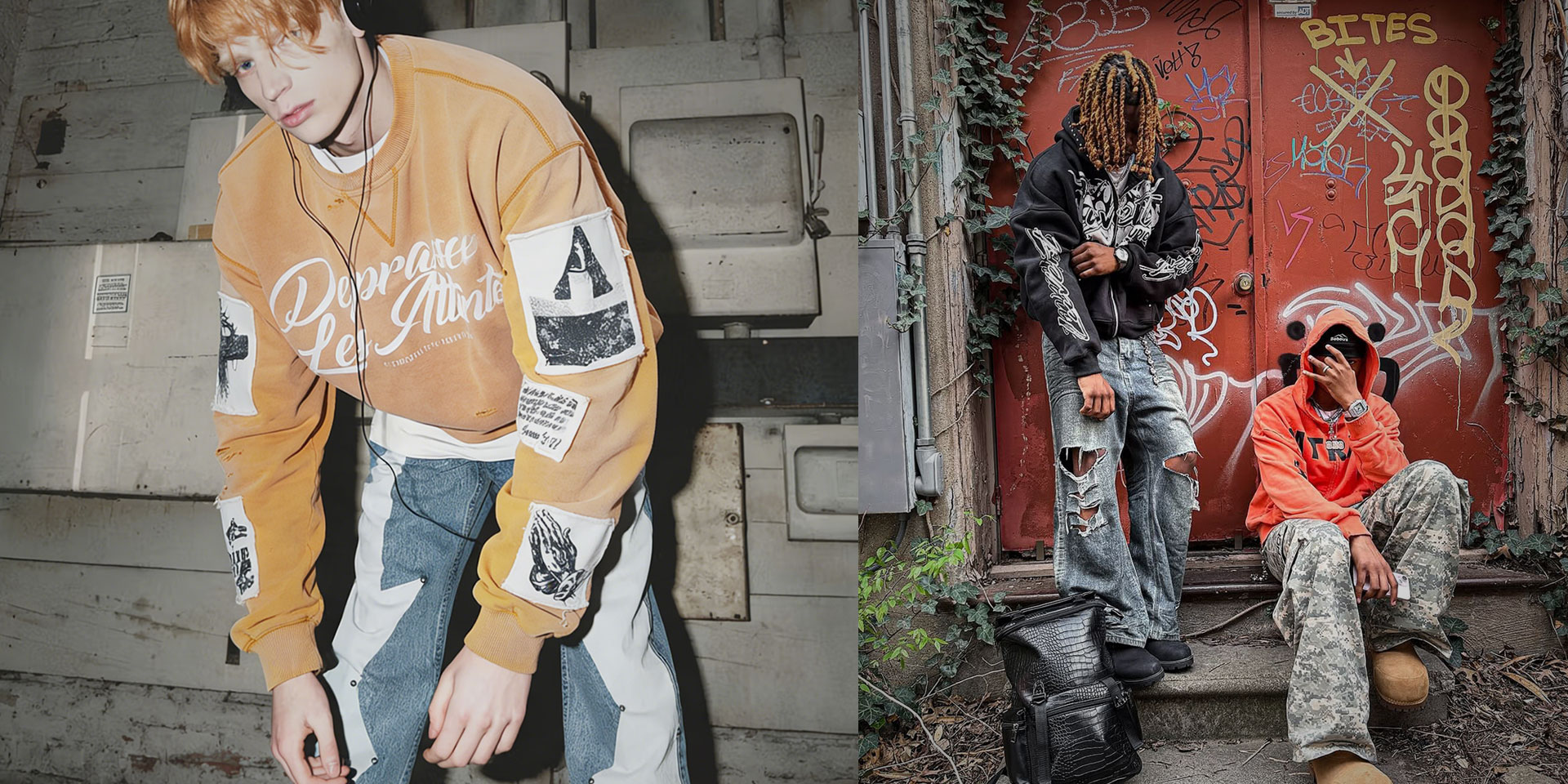
When a brand moves beyond basic apparel and begins developing a 400gsm French terry hoodie with a boxy fit, dropped shoulders, and a custom pigment dye, the limitations of a generic clothing manufacturer become immediately apparent. The process requires a rigorous tech pack review, where every measurement, stitch type, and fabric specification is scrutinized before a single piece of fabric is cut. A generic factory often lacks the specialized product development teams necessary to translate a complex design into a viable manufacturing plan. They may skip critical steps like pattern development and immediate print or wash testing, assuming that standard procedures will suffice.
This lack of specialized focus introduces severe commercial risks. If a factory does not understand the shrinkage rates of heavyweight cotton after an enzyme wash, the resulting garments will suffer from severe silhouette imbalance. The intended oversized, relaxed fit might suddenly become tight and restrictive, completely ruining the aesthetic the brand promised to its audience. Furthermore, traditional private label setups often rely on trim substitution to cut costs, replacing high-quality zippers or durable ribbing with cheaper alternatives without consulting the brand.
For streetwear brands with proven sales, these compromises are unacceptable. The product is the brand's primary vehicle for communication, and any deviation from the intended design damages its credibility. Therefore, the path forward requires partnering with a cut-and-sew streetwear factory that treats product development as a collaborative, highly controlled engineering process rather than a simple assembly task. This means finding a streetwear manufacturing partner that integrates fabric sourcing, structural testing, and pre-production approval into a seamless workflow, ensuring that the complexity of the design is matched by the discipline of the execution.
How do sample-to-bulk discrepancies damage a streetwear brand beyond immediate production costs?
Sample-to-bulk failures do more than waste capital; they destroy launch calendars and consumer trust. A flawless sample means nothing if the bulk production suffers from batch-level variation, unstable wash control, or silhouette imbalance, ultimately forcing brands to ship compromised products or miss critical seasonal drop windows.
In the premium streetwear market, the sample approval stage is often celebrated as the final hurdle before a successful launch. Creative directors hold a perfectly executed prototype, assuming the hard work is done. However, experienced procurement teams know that a strong sample can hide a weak production system. The true test of an apparel manufacturer for streetwear brands is not their ability to make one perfect garment, but their capacity to replicate that perfection across thousands of units without deviation.
When sample-to-bulk execution breaks down, the commercial consequences are immediate and severe. Consider the reality of a complex wash program. A factory might produce a stunning vintage wash on a single sample hoodie. But when that same wash process is applied to a bulk run of 1,000 units, poor temperature control or inconsistent chemical application can lead to massive batch-level variation. Suddenly, half the inventory looks completely different from the marketing assets already teased to the public.
These discrepancies create an impossible dilemma for independent brands with real traction. Do they delay the launch, missing a crucial seasonal window and angering an expectant customer base? Or do they ship a compromised product, risking high return rates and permanent damage to their reputation? Streetwear brands do not lose trust only because of bad design. They lose it when the product that ships does not match the product they promised.
Furthermore, production errors directly sabotage the launch calendar. In a business model driven by hype, scarcity, and precise drop schedules, predictability is just as important as quality. If bulk cutting reveals fabric flaws, or if finishing and inspection uncover wrong graphic placement, the entire supply chain grinds to a halt. The brand is left holding dead inventory while simultaneously scrambling to fix the issue, draining resources that should have been focused on marketing and growth. A reliable streetwear production partner mitigates these risks by treating bulk production as an exact science, enforcing strict quality control protocols at every stage, from fabric sourcing and shrinkage testing to final packing and shipping.
What should procurement teams evaluate when transitioning to custom private manufacturing?
Procurement teams must evaluate a factory’s pre-production discipline and quality control systems rather than just comparing unit prices. A reliable streetwear manufacturing partner proves its value through strict tech pack reviews, transparent fabric sourcing, and repeatable execution processes that eliminate surprises before bulk cutting begins.
When established streetwear brands begin looking for new manufacturing partners, the initial instinct is often to compare quotes. This is a dangerous oversimplification of the sourcing process. The cheapest quote is rarely the cheapest outcome. A low initial price tag often hides critical deficiencies in the production system—deficiencies that will inevitably surface as expensive delays, high defect rates, and unsellable inventory.
Procurement teams must shift their focus from the bottom-line unit cost to the overall risk profile of the supplier. Evaluating a specialized streetwear factory requires looking closely at their pre-production workflows. Does the factory conduct a comprehensive tech pack review to identify potential construction issues before sampling begins? Do they perform rigorous print, wash, and embroidery testing to ensure the chosen techniques are viable for bulk production? A manufacturer that asks difficult questions and pushes back on unrealistic design specifications is far more valuable than one that blindly accepts an order just to secure the business.
Another critical evaluation point is the factory's approach to fabric sourcing and material control. Premium streetwear relies on specific fabric weights, textures, and behaviors. If a factory quotes a low price by planning a subtle trim substitution or using a slightly lighter fabric weight than requested, the brand's positioning is compromised. Procurement teams must demand transparency regarding where materials are sourced and how they are tested for colorfastness, shrinkage, and durability.
Ultimately, the goal is to find an OEM streetwear manufacturer that operates with a high degree of operational maturity. This means they have documented procedures for pre-production approval, clear communication channels for addressing issues during bulk cutting and sewing, and a robust finishing and inspection process. Brands with validated market demand cannot afford to gamble on suppliers who treat quality control as an afterthought. They need a partner who understands that consistent execution is the foundation of a profitable, scalable streetwear business.
Why do fabric, wash, and fit decisions require a specialized streetwear production partner?
Premium streetwear relies heavily on tactile perception and visual identity, making fabric, wash, and fit the core drivers of value. Executing an authentic vintage wash or a structured heavyweight hoodie requires a specialized streetwear factory that understands cultural aesthetics and possesses the technical capability to replicate them consistently.
Consumers may not know the technical terms, but they instantly feel the difference between a premium product and a generic alternative. In the streetwear market, value is not derived solely from a printed logo; it is built through the physical experience of the garment. The drape of an oversized t-shirt, the dense hand-feel of a 400gsm fleece, and the authentic fading of an acid wash are all critical components of a brand's visual identity. These elements are not simply design choices; they are complex engineering challenges that require a high level of manufacturing expertise.
Executing these details consistently is where general apparel factories often fail. Consider the intricacies of a garment-dyed, distressed hoodie. This is not a matter of simply cutting and sewing fabric. It involves a delicate interplay of techniques. The fabric must be selected specifically for its ability to absorb and retain the dye. The wash process must be calibrated to achieve the exact level of fading without compromising the structural integrity of the seams. The distressing must look natural and intentional, not uniform or machine-made.
When a brand attempts to produce these technique-intensive items with an unspecialized supplier, the results are predictably poor. A factory unfamiliar with streetwear aesthetics might apply a heavy enzyme wash that destroys a delicate crack print, or they might fail to account for the differential shrinkage between the main body fabric and the ribbing, resulting in a distorted fit.
This is why fabric, wash, and fit decisions demand an OEM streetwear manufacturer that understands the culture as well as the chemistry. A specialized partner knows how different techniques interact and how to sequence the production process to avoid conflicts. They understand that a boxy fit requires specific pattern development to ensure the shoulders drop correctly without the sleeves becoming disproportionately long. By partnering with a manufacturer that possesses this specialized knowledge, brands ensure that their creative vision is translated into a physical product that resonates authentically with their audience.
When does an established streetwear brand need to upgrade its manufacturing system?
Established streetwear brands must upgrade their manufacturing systems when operational bottlenecks—such as delayed replenishments, inconsistent sizing across batches, or communication breakdowns—begin threatening their sell-through rates. Scaling requires a strategic production partner capable of aligning manufacturing lead times with aggressive drop schedules and inventory planning.
Growth is the ultimate stress test for any apparel supply chain. What works for a brand selling a few hundred units a month will inevitably fracture when volume increases and product complexity deepens. Established streetwear brands often realize they need to upgrade their manufacturing systems not because their current factory cannot sew, but because the factory cannot scale without introducing chaos into the operation.
The signs that a brand has outgrown its current setup are usually commercial, not just technical. When a highly anticipated drop sells out, but the factory takes months to deliver a restock, the brand loses vital momentum and revenue. When a new collection arrives with slight sizing variations compared to the previous season, customer trust erodes, and return rates spike. When product development teams spend more time managing factory miscommunications than designing new pieces, the entire business slows down.
At this stage, the brand must transition from simply sourcing garments to building a robust production infrastructure. They need a custom streetwear production partner for established streetwear brands that can offer predictability and control. For brands looking at China-based custom streetwear development, a higher-control production system—such as the one operated by Groovecolor—becomes a necessary investment to ensure technique-intensive products are delivered exactly as designed, on time, every time.
Upgrading the manufacturing system means moving away from transactional relationships and establishing a long-term partnership with a factory that acts as an extension of the brand's own operations. This involves integrating production calendars with marketing schedules, establishing clear protocols for quality control and pre-production approval, and creating a transparent feedback loop for continuous improvement. By securing a reliable manufacturing partner, established brands remove the friction from their supply chain, allowing them to focus on scaling their audience and expanding their product offerings with confidence.
Is private label production for premium streetwear brands a cost or a strategic investment?
Custom private manufacturing for streetwear brands with established sales channels is a strategic investment in brand equity, not merely a line-item cost. Paying for premium execution, rigorous testing, and reliable delivery schedules protects profit margins by drastically reducing defect rates and ensuring long-term customer loyalty.
The final shift in perspective for any brand with established sales channels is recognizing that manufacturing is not a place to cut corners; it is the foundation of the brand's value proposition. Viewing production simply as an expense leads to decisions that prioritize short-term savings over long-term stability. This mindset is what drives brands to choose the lowest bidder, only to spend exponentially more money fixing mistakes, managing delayed shipments, and dealing with dissatisfied customers.
When approached correctly, custom private manufacturing becomes a powerful strategic asset. By investing in an OEM streetwear manufacturer that prioritizes repeatable sample-to-bulk execution, brands are essentially buying insurance for their launch calendar and their reputation. The upfront cost of a comprehensive tech pack review, detailed pattern development, and extensive pre-production testing pays dividends during the bulk cutting and sewing phases. It eliminates the costly surprises that derail collections and erode profit margins.
Furthermore, a strong manufacturing partnership allows a brand to innovate with confidence. When creative directors know that their factory has the technical capability to execute complex washes, intricate embroideries, and unconventional silhouettes consistently, they are free to push the boundaries of their design language. This ability to deliver unique, high-quality products consistently is what separates established streetwear brands from the rest of the market.
Ultimately, the right manufacturing path is the one that removes friction from product development. It transforms the supply chain from a source of constant anxiety into a reliable engine for growth. For independent brands with real traction, investing in a specialized streetwear production partner is not just about making clothes; it is about building a resilient, scalable business capable of dominating the premium market for years to come.