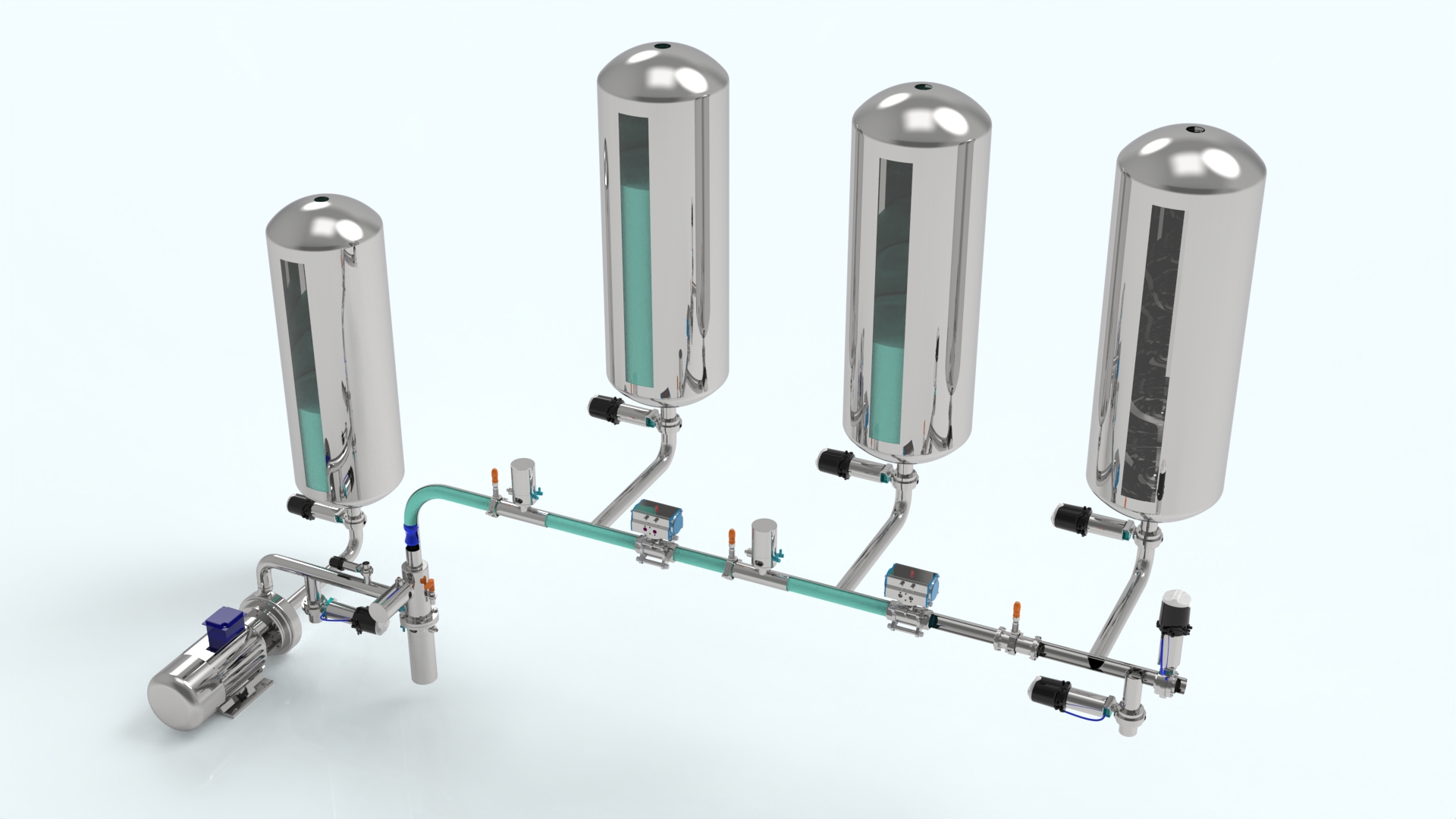
Opening
Motorized pipe cleaning solutions furnish a remarkable improvement over manual practices for sustaining the integrity of channels. These modern tools accelerate the process of moving a "pig" – a customized device – through the line to extract deposits like fouling, oxidation, and blockages. By lessening downtime and improving running efficiency, automatic pigging methods represent a crucial funding for industries relying on channel transportation of fluids.
Sanitized Scrubbing : Securing Tube System Purity in Edible Sector
Protecting impeccable sanitation within culinary formulation facilities is essential, particularly when it comes to ducts used for shifting products. Sanitary pigging offers a robust solution. This bespoke technique involves inserting a pig – often a soft device – into the tube to remove contaminants, including pathogens, and restore optimal sterility. Benefits include diminished chance of pollution, elevated product taste, and heightened programmatic capability. Aspects for use include implement structure compatibility with the item and pipe design.
- Mitigates decay possibility.
- Strengthens product taste.
- Improves performance yield.
Piping Innovations: Increasing Productivity and Decreasing Debris
Cleaning techniques offer a remarkable enhancement in tube performance for various domains, particularly within the crude and industrial sectors. By pushing a “pig,” a bespoke unit, through the framework, accumulation are displaced, recovering output and avoiding product deterioration. This delivers a lessened fee and a more low-impact procedure to material administration.
Such Future Pertaining to Pipelines: Researching Autonomous Pigging Processes
A trajectory of pipeline handling is substantially being driven by computerized pigging methods. Traditionally, pigging operations have relied on operator-controlled intervention, but the deployment pertaining to autonomous pigs promises heightened efficiency, minimized downtime, and enhanced safety. These groundbreaking systems exploit gauges, analytics, and artificial intelligence to survey pipelines self-directed, spotting damage and delivering washing tasks with exceptional precision. Considering widespread embracing, automatic pigging represents a essential step in the direction of a more long-lasting pipeline framework globally.
Process Clearing vs. Physical Washing
Retaining duct cleanliness within the gastronomy industry presents a noteworthy challenge. Historically, by hand disinfecting has been the typical method, relying on assistants to actively eliminate debris and dirt. However, this approach is heavy-duty, prone to inconsistencies, and can be troublesome to fully validate. Sanitary purging, on the other hand, offers a innovative alternative. This solution utilizes a implement propelled through the tube to sweep deposits, providing a better and repeatable disinfection process. Key automatic pigging system contrasts include:
- Price: Physical sterilizing often involves significant labor payments, while swabbing has commencing investment reduced overall outlays.
- Efficiency: Flushing often offers increased performance compared to manual techniques.
- Proof: Ensuring the scope of scrubbing is less complicated with purging due to record-keeping capabilities.
- Protection: Human cleaning can expose staff to harmful conditions, whereas clearing minimizes this threat.
Launching an Automatic Pigging Solution: Successful Techniques
Correctly implementing an robotic pigging framework requires rigorous preparation and adherence to proven best techniques. Primarily, initiate a comprehensive review of your pipe to pinpoint the key challenges requiring cleaning. This covers assessing the category of deposit, the place of halt points, and the complete condition of the asset. Subsequently, choose a pigging setup designed for your individual operational expectations.
Besides, stress full mentoring for assistants assigned in the function practice. This is necessary to include briefing on hazard-free control of the instruments and apprehension of backup systems.
- Habitually survey the equipment and attached units for dilapidation.
- Set up a dependable servicing program.
- Document all maintenance tasks and relevant figures.
- Analyze the consequence on conduit pressure and output value.
Ultimately, regular oversight and optimization of the initiative course are important for ensuring performance and maximizing the duct’s utilizable service life.
Fixing Everyday Obstacles in Sterile Pipeline Cleaning Mechanisms
Proven performance of sanitary pigging platforms often demands regular examining. Usually, clogs caused by plugging are seen, which can be cured through meticulous inspection using appropriate apparatus. Moreover, flow diminishment show damaged seal mechanisms or conduit rusting. Routine tending, including tool removal and detailed assessment of duct condition, is vital to reduce pauses and maintain top efficiency.
Motorized Pigging Technologies for Operational Pipes
Computerized cleaning offers substantial pros for process pipes, significantly maximizing operational effectiveness. Such mechanism provides a range of pluses, including reduced downtime, minimized servicing payments, and improved material standard.
- Cut pressure reduction leading to effort savings.
- Enhanced pipe durability, preventing blockages.
- Improved speed by dislodging deposits.
- Increased welfare for labor force and the environment.
Reduced Expenses with Sanitized and Automated Clearing Systems
Implementing hygienic and electromechanical scrubbing platforms offers substantial expenditure diminutions for conduit operators. These modern technologies minimize commodity loss due to deposited remnants, significantly diminishing byproduct. Beyond output recovery, clearing solutions mitigate the frequency of scheduled pipeline shutdowns for servicing, translating to higher throughput. Furthermore, the minimized need for hands-on work and solvent use further supports the overall budget-friendliness of your system.
- Less Item Loss
- Improved Functional Availability
- Curtailled Personnel Input Requirements