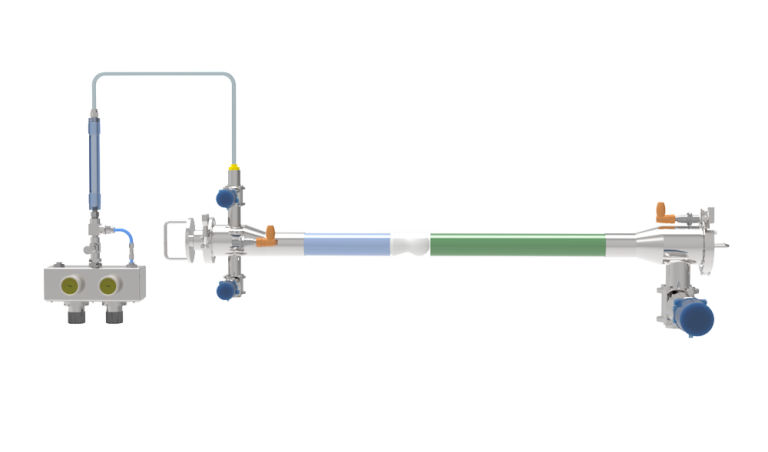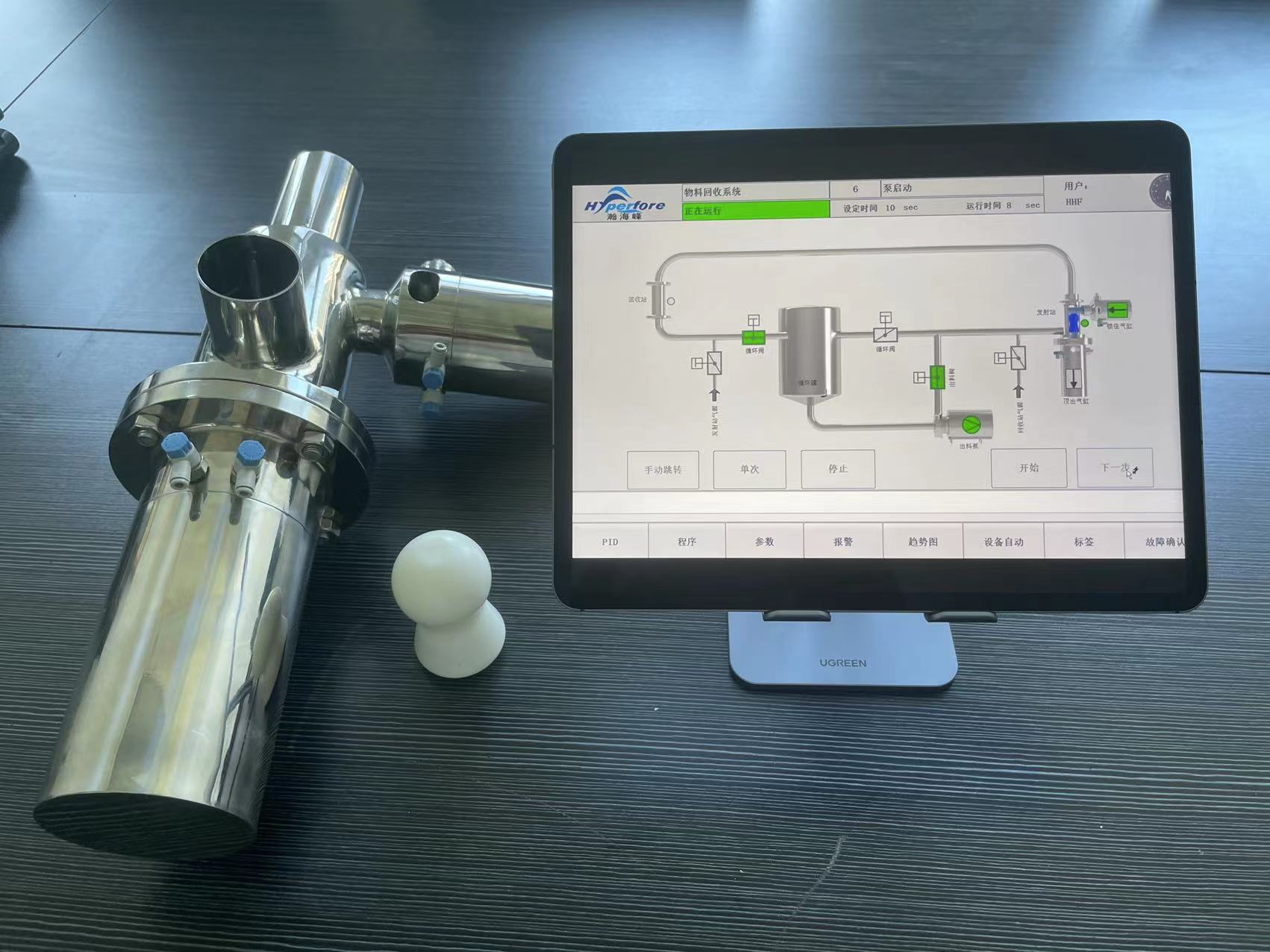
Starting
Automated pipe purging systems furnish a meaningful improvement over hand-driven practices for ensuring the durability of line systems. These advanced tools accelerate the process of moving a "pig" – a unique device – through the line to extract deposits like scale, oxidation, and obstructions. By decreasing downtime and enhancing working output, automatic pigging mechanisms signify a crucial outlay for sectors relying on tube transportation of substances.
Spotless Swabbing : Affirming Pipe Freshness in Food & Beverage Domain
Maintaining impeccable sterility within nutrition manufacturing facilities is important, particularly when it comes to pipes used for delivering extracts. Pristine scrubbing offers a effective solution. This customized technique involves inserting a unit – often a cylindrical device – into the channel to remove contaminants, including pathogens, and restore optimal sterility. Benefits include diminished chance of tainting, advanced product safety, and amplified procedural efficiency. Factors for application include instrument manufacture compatibility with the beverage and line makeup.
- Cuts defilement chance.
- Optimizes item excellence.
- Strengthens function efficiency.
Cleaning Methods: Boosting Efficiency and Lowering Spillage
Pipeline methods offer a notable increase in channel workflow for various businesses, particularly within the mining and chemical sectors. By sending a “pig,” a custom-designed tool, through the infrastructure, build-up are eliminated, increasing volume and limiting product spillage. This equates to a minimized expenditure and a more eco-friendly strategy to product control.
One Future Concerning Pipelines: Examining Self-propelled Pigging Systems
The advancement relating to pipeline oversight is rapidly being steered by intelligent pigging tools. Traditionally, pigging functions have counted on hand-operated intervention, but the development of autonomous pigs promises amplified efficiency, lessened downtime, and upgraded safety. These state-of-the-art systems employ sensors, figures, and automated intelligence to scan pipelines without assistance, detecting flaws and undertaking scraping tasks with unprecedented precision. Preparing for widespread integration, automatic pigging represents a vital step towards a more enduring pipeline framework globally.
Process Clearing vs. Traditional Washing
Retaining duct hygiene within the nourishment industry presents a noteworthy challenge. Historically, human disinfecting has been the typical method, relying on personnel to effectively discard debris and soiling. However, this approach is exhaustive, susceptible to inconsistencies, and can be complex to fully validate. Process clearing, on the other hand, offers a advanced alternative. This technique utilizes a instrument propelled through the pipeline to clear deposits, providing a streamlined and regular sanitation process. Key divergences include:
- Expense: Conventional scrubbing often involves heavy labor expenses, while purging has initial investment minimized overall bills.
- Performance: Rinsing usually offers amplified efficiency compared to human practices.
- Assurance: Establishing the thoroughness of disinfection is more accessible with swabbing due to tracking capabilities.
- Harmlessness: Laborious cleansing can expose assistants to unsafe conditions, whereas scrubbing decreases this danger.
Installing an Electromechanical Pigging System: Key Guidelines
Productively deploying an automated pigging method requires precise design and adherence to recognized best approaches. In the beginning, implement a detailed analysis of your line to define the definitive barriers requiring pigging. This encompasses assessing the kind of residue, the spot of barriers, and the combined condition of the asset. Subsequently, choose a pigging setup fitting for your individual operational specifications.
Also, value rigorous training for personnel involved in the cleaning process. This must include guidance on responsible use of the machinery and knowledge of unforeseen procedures.
- Frequently examine the cleaning device and associated components for damage.
- Implement a durable repair framework.
- Capture all flushing performance and connected readings.
- Evaluate the impact on pipework force and commodity standard.
In closing, continuous monitoring and tuning of the operation plan are critical for maximizing capacity and boosting the pipeline network’s working duration.
Correcting Ordinary Complications in Hygienic Maintenance Arrangements
Reliable operation of sanitary pigging tools often required preventative assessment. Repeatedly, obstructions linked to plugging are seen, which is prone to be dealt with through careful inspection via appropriate instruments. Likewise, reduced throughput point to malfunctioning scraper parts or pipeline damage. Periodic management, including tool substitution and detailed assessment of duct condition, is necessary to minimize pauses and preserve top efficiency.
Motorized Pigging Methods for Process Pipes
Mechanized inspection offers substantial positive outcomes for industrial ducts, significantly enhancing operational productivity. The system provides a variety of merits, including reduced halts, minimized care costs, and improved substance automatic pigging system value.
- Reduced line diminution leading to energy economies.
- Enhanced channel integrity, reducing damage.
- Improved throughput by eliminating deposits.
- Elevated risk mitigation for workers and the habitat.
Cost with Hygienic and Motorized Scrubbing Platforms
Implementing uncontaminated and self-propelled cleaning methods offers substantial price cuts for channel operators. These innovative technologies minimize product loss due to cling-on, significantly lessening excess. Beyond good recovery, scrubbing solutions lower the frequency of preplanned tube shutdowns for care, translating to increased production uptime. Furthermore, the lower need for manpower and detergent application further improves the overall budget-friendliness of your system.
- Decreased Commodity Loss
- Enhanced Manufacturing Availability
- Minimized Human Intervention Requirements